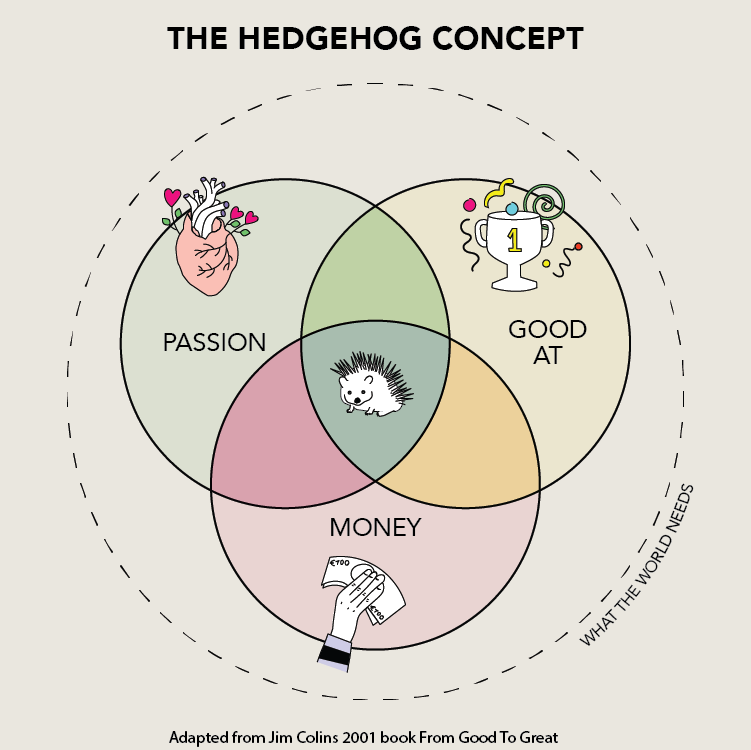

Many local business owners have shared how they feel swamped by competing businesses and family needs. With rapid external influences such as AI, technological advancements, global instability, and communication overload, staying clear and focused is a daily challenge. The Hedgehog concept, adapted from Jim Collins ’ book Good to Great, can help us find a dynamic focus that brings clarity and helps us make strategic decisions.
Design Thinking for Your Business, or… Oh No! Did I Break It?
When I heard that our WhatsApp group was “too busy,” my first reaction was panic. Had I ruined something that mattered?
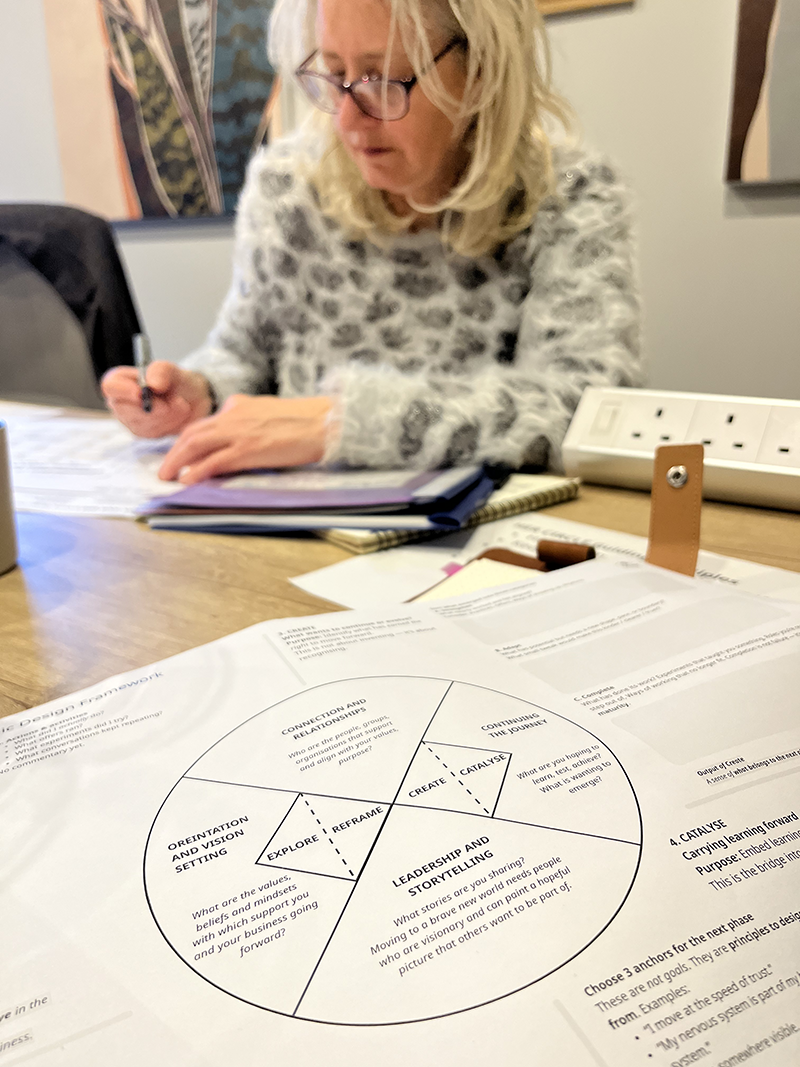
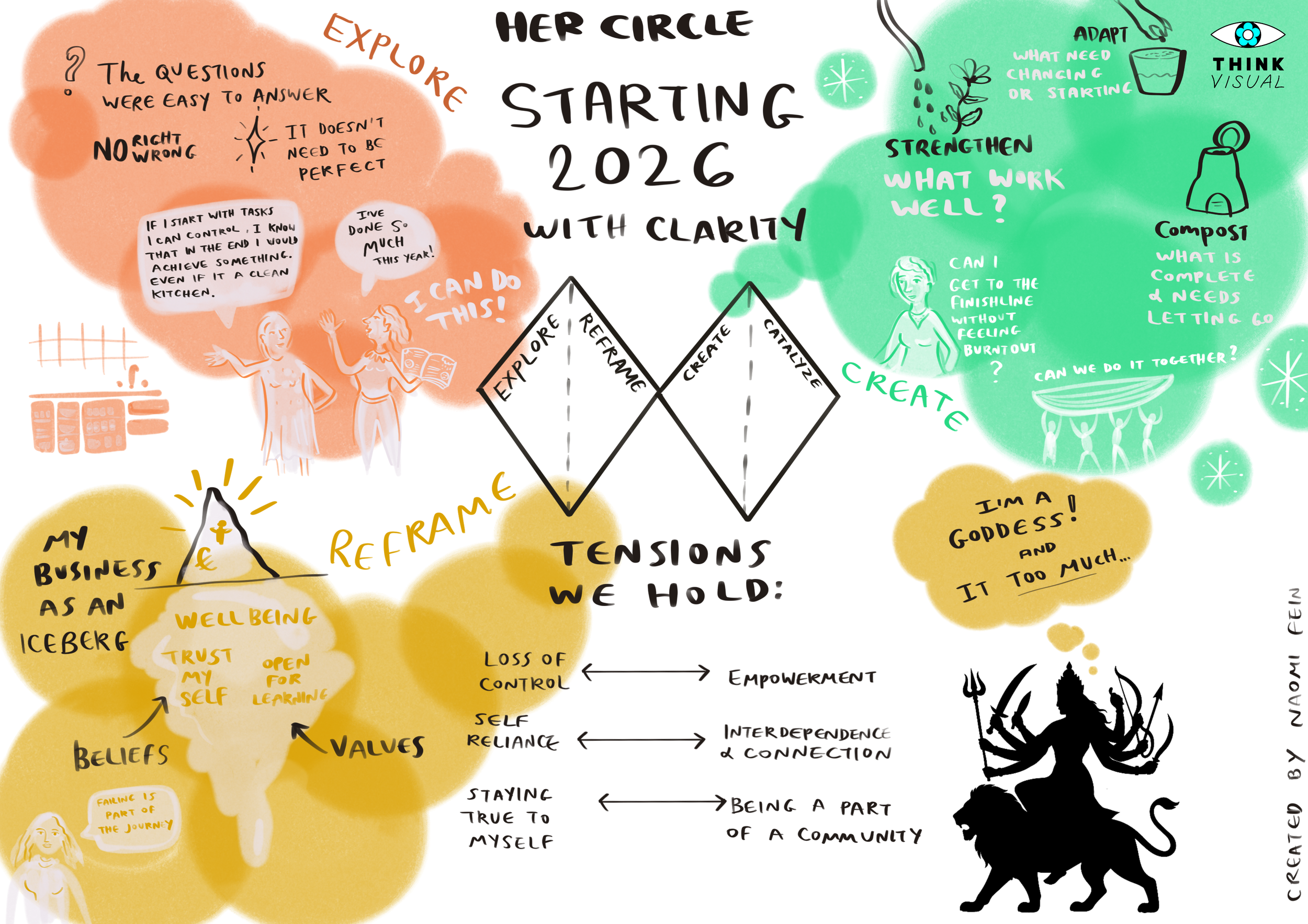
Instead of reacting, I used the Double Diamond design thinking process to pause, reflect, and redesign my communication. What I discovered changed the way I make decisions in my business — especially when feedback feels uncomfortable.
This is a story about clarity, courage, and refusing to make decisions from stress.
The Inner Compass
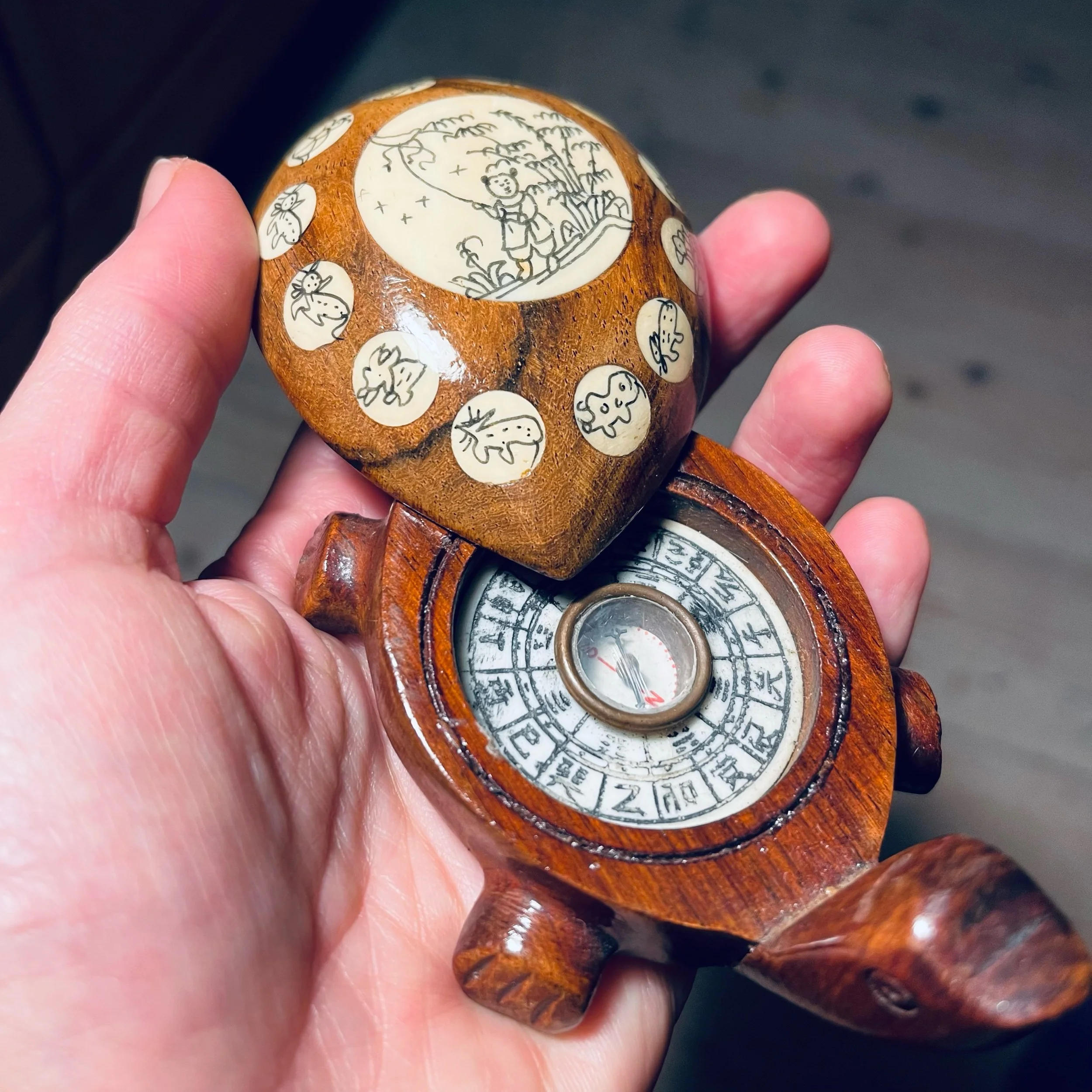
From a young age, I trusted an inner compass—a felt sense of integrity and direction. Following it gave my life meaning, but it also led me through loneliness, grief, and a painful reckoning with the belief that meaning guarantees safety.
This is a reflection on will, integrity, and what changes when we stop outsourcing our safety and learn to sail with the forces within us.
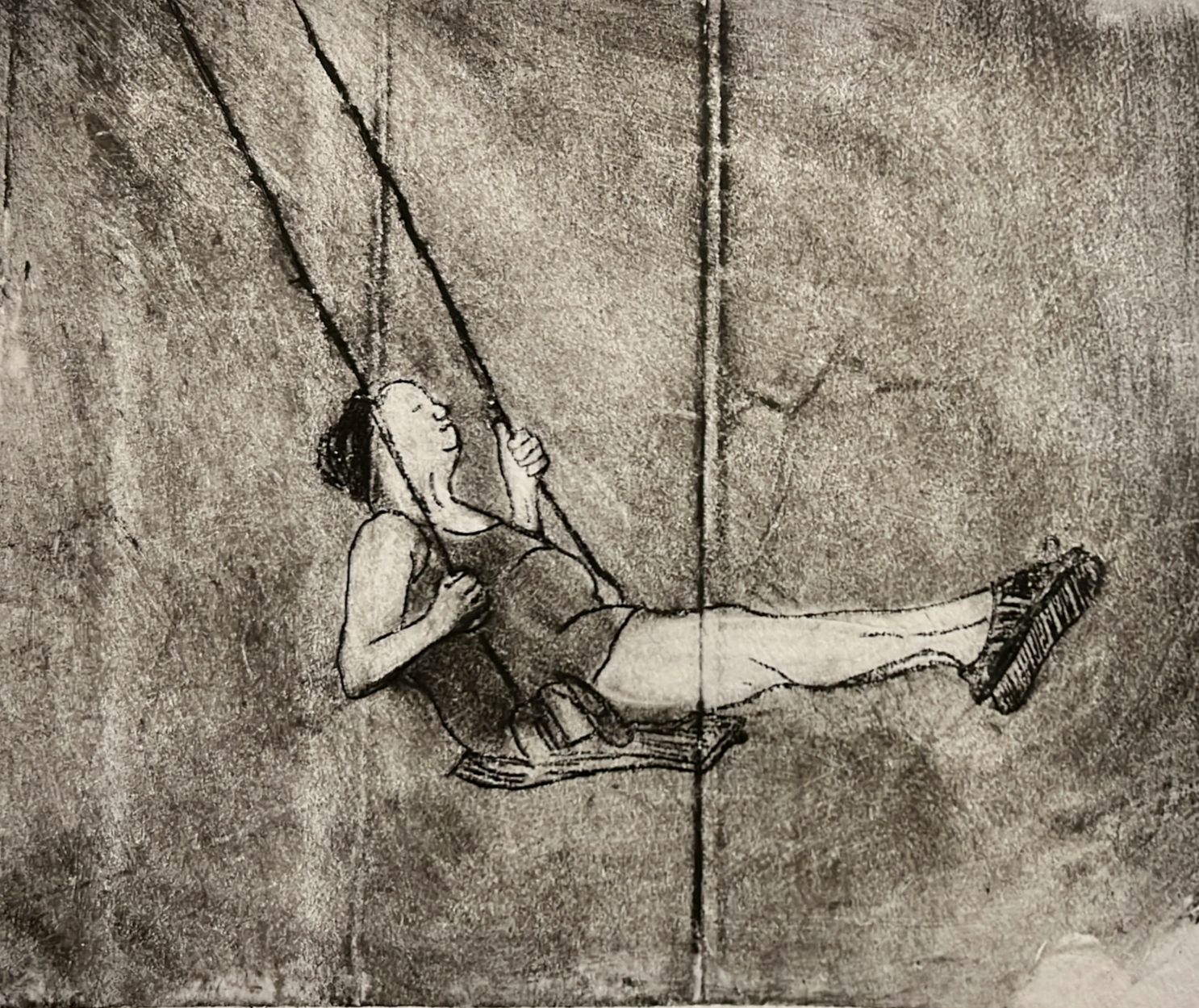
Learning to cut myself some slack
I grew up believing that rest had to be earned. For me, there was a magic number: 38.4 — sick enough to be allowed to stop, but not too sick to enjoy being cared for. Years later, I can see this pattern clearly in myself and in my coaching work:
so many of us learned to rest only when our bodies, minds, or lives force us to.
A Lesson in Capacity
Inviting a Year of Acceptance
What if we operated in this world within our capacity? What if we didn’t have to navigate the constant experience of lack?
With the new year starting, I felt the pull to design and clarify 2026. But I didn’t feel ready. 2025 went so fast, and I was tired. The holidays did not charge me up. I came into January with a deep need to rest, to stop.
I didn’t feel clear, and the idea of deciding on yearly goals and setting up projects made me want to crawl under the duvet.
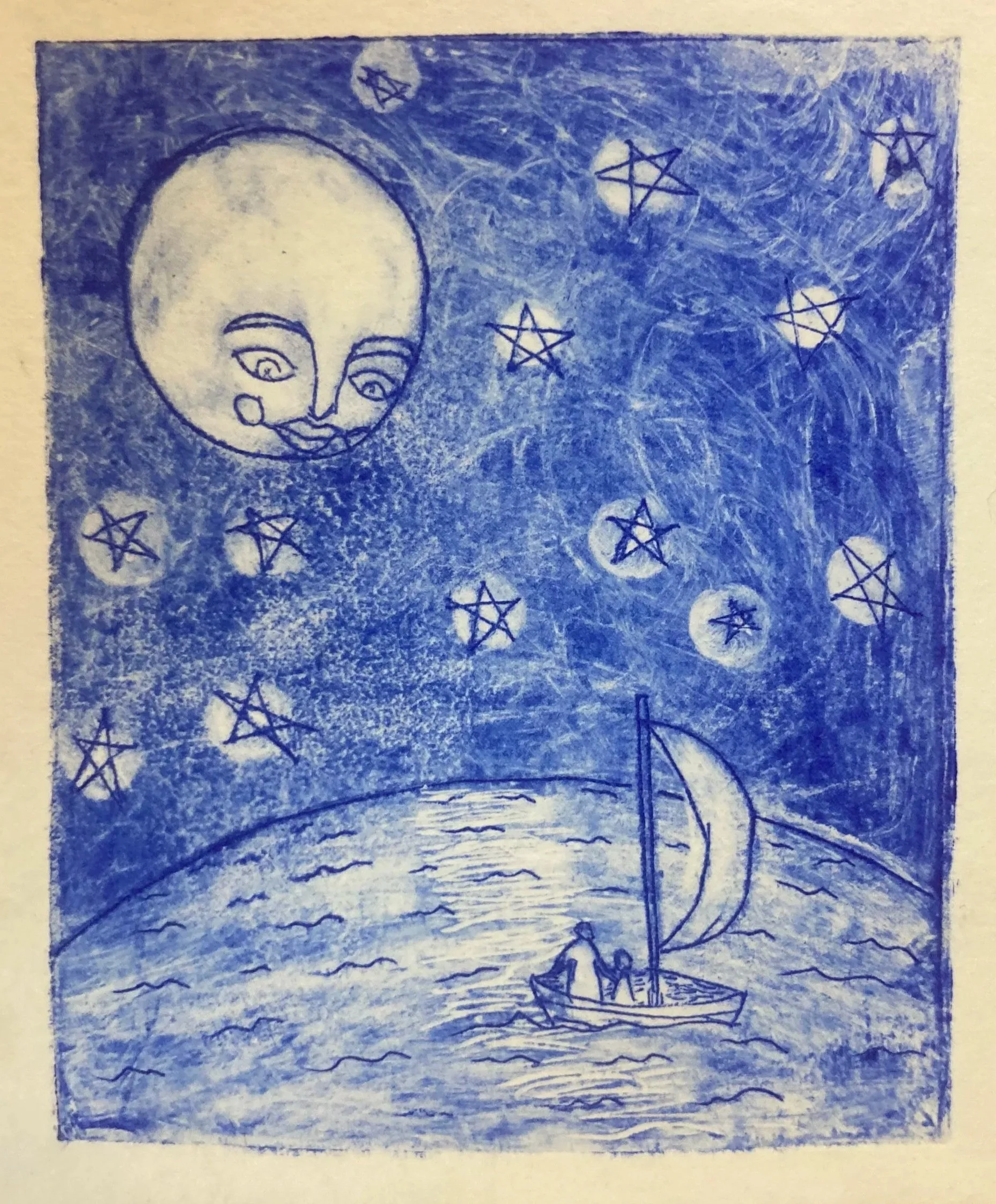
Find your moon
Chaos has been my lifelong companion. Growing up undiagnosed neurodivergent, I learned to survive by organising the mess — inside and out. But what happens when sorting is no longer the answer?
In this reflective piece, I explore chaos, creativity, coaching, and what it means to end a year without rushing to fix or define what comes next.
In the Busy Trap? Ask “I’m Doing This, So That What?”
Getting Things Done, Gently: Making Peace with Resistance
When Your Brain Is the Worst Office Manager in the World
Taming the Busy Mind: How to Get on Top of Your To-Dos, Emails, and Mental Clutter as a Creative Entrepreneur
Last week, during a mentoring session with a new client, I was reminded of a moment from my own early business days — that strange, bittersweet stage when the dream starts to work.
I went from having three clients to fifteen. I was getting calls from people who’d heard about my work. It should have felt amazing — right?
Nope. I was completely overwhelmed.
My kitchen wall became a giant blackboard covered in to-dos and arrows. I forgot to look at it. My head was a swirl of things to remember, people to email, and a low hum of panic that I was already behind.
Then a friend asked me, “Have you heard of Getting Things Done?”
I hadn’t. But learning about David Allen’s GTD approach — or any structured task management system, really — changed my life.